

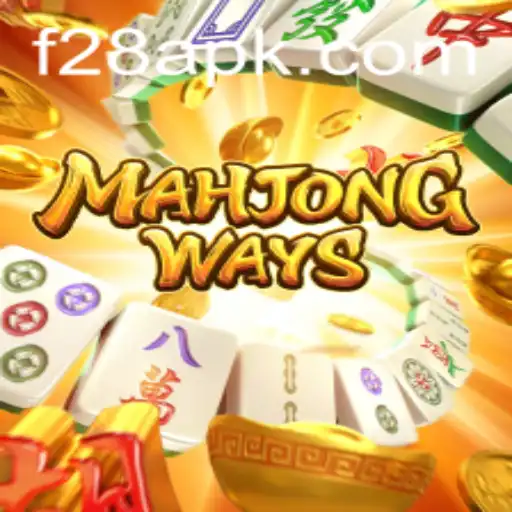

An in-depth exploration of MahjongWays, delving into the game's description, rules, and its relevance in today's gaming world.
Explore the Allure of MahjongWays with F28 Feature
In the vibrant universe of online gaming, MahjongWays has emerged as a fascinating blend of tradition and innovation, crafting a unique gaming experience that captivates players worldwide. Originating from the ancient game of Mahjong, MahjongWays has integrated contemporary elements to appeal to today's gamers. In this article, we delve into the intricacies of MahjongWays, discussing its features, rules, and its place in the current gaming landscape, enticing players with the dynamic F28 functionality.
Introducing MahjongWays: A Blend of Tradition and Modernity
MahjongWays is a digital adaptation of the traditional Chinese game of Mahjong, a strategy game that has been cherished for centuries for its complexity and cultural significance. It combines the foundational elements of the classic tile game with the ease and accessibility of digital play, creating an immersive experience for both seasoned gamers and new players alike.
The game structure of MahjongWays is designed to pay homage to its origins while incorporating modern gaming mechanics that increase its appeal in the contemporary realm. The use of advanced graphics and engaging sound effects enhances the traditional aesthetics of Mahjong, bringing a fresh yet familiar experience to enthusiasts.
Game Description and Features
MahjongWays offers a visually stunning representation of the traditional Mahjong tiles, set against a backdrop that celebrates the rich history and culture from which it stems. Players engage in a virtual world where they can handpick their tiles, form strategic combinations, and compete against a blend of AI and real-world opponents.
Key Features of MahjongWays include:- Interactive Gameplay: An intuitive user interface that allows players to navigate effortlessly through the game.
- Multi-Level Challenges: A range of skill levels from beginner to expert, designed to challenge players and foster skill development.
- Engaging Visuals and Audio: High-definition graphics and captivating sound design that enhance the gaming experience.
- Community Interaction: Players can connect, compete, and chat with other enthusiasts worldwide, building a robust online community.
- The F28 Feature: A dynamic component that introduces unique twists to the gameplay, adding layers of complexity and excitement to the game mechanics.
Understanding the Rules of MahjongWays
The rules of MahjongWays retain the foundational components of strategic tile arrangement native to traditional Mahjong. This involves collecting sets and pairs of tiles to create a winning hand. However, MahjongWays incorporates unique game rules to enhance the digital gaming experience.
The basic rules and components of MahjongWays are:
- Tiles and Sets: Players must collect a set of tiles according to specific rules—often, this includes combinations like Pongs, Chows, and Kongs, much like the traditional game.
- Winning a Hand: A standard winning hand consists of 14 tiles, forming four melds and a pair.
- Turn-Based Strategy: Players engage in turn-based tactics, drawing and discarding tiles to form the necessary combinations.
- F28 Feature Dynamics: Unique to MahjongWays, the F28 feature introduces special power-ups and strategic options during gameplay, encouraging players to adapt and modify their approaches with flexibility.
- Scoring System: Points are awarded based on the complexity and type of the winning hand. Bonus points can be accrued through specific tile combinations or achieving hidden objectives within the F28 dynamics.
MahjongWays in Today's Gaming Environment
The release of MahjongWays comes at a time when the gaming industry is undergoing rapid digital transformation. As developers explore innovative ways to merge traditional games with digital technology, titles like MahjongWays are positioned at the intersection of cultural preservation and technological advancement.
The introduction of the F28 feature is particularly noteworthy. This feature adds a level of unpredictability and depth to the game, drawing on current trends where players seek both familiarity and novelty in their gaming experiences. As technology advances, the software updates and enhancements to MahjongWays will likely introduce even more interactive features, ensuring the game's relevance in an ever-evolving market.
Moreover, MahjongWays has gained traction as part of social interactions in virtual spaces, reflecting a growing trend towards community-driven gameplay experiences. Indeed, the game's ability to connect players while respecting the cultural heritage inherent in Mahjong renders it a pivotal addition to both casual and competitive gaming circuits.
As gaming continues to expand as a cultural phenomenon, MahjongWays exemplifies how traditional games can be reimagined for modern audiences, ensuring both entertainment and the cultivation of strategic thinking among players. The F28 feature, in particular, symbolizes the adaptability of classic games in aligning with contemporary preferences for interactive and engaging gameplay.